


Ground spike
Contents
- Ground nails, ground anchors & tent pegs: What is it about?
- Areas of application: camping, pavilion, play equipment & more
- Choose the right size and material: length, base, load
- Assembly tips: driving in, angles, safety and support
- Buying advice: Practical features & useful sets
- FAQ
Pegs, ground anchors & tent pegs: Stability that really counts outdoors
Whether on a weekend trip at the campsite, at a summer party in the garden or setting up a small play area for children: As soon as wind, changing soil and tensile forces come into play, the correct anchoring is crucial for safety and comfort. Many tents, pavilions or party tents are delivered with simple pegs, but these are often intended as an “emergency solution”: too short, too thin or easily bent on harder ground. A well-chosen ground nail or ground anchor, on the other hand, ensures that guy lines remain taut, fabric panels do not flutter and structures do not slip even in gusts. This is exactly where the practical advantage lies: you have to tighten less, have less stress when setting up and can rely on everything staying where it belongs. At the same time, a peg is not only interesting for tents. Even with temporary structures such as pavilions, sun sails or light garden structures, stable ground fastening can make the difference. Even with play equipment - such as small wooden swings or similar outdoor equipment - it makes sense to securely fix it so that use remains trouble-free. What is important is not just the length, but also the material (e.g. steel or plastic), the shape (classic nail, peg, ground anchor) and practical details such as an eyelet for quick hanging. In this article you will receive a compact orientation as to which variants fit what, how you can align the size with the floor and the intended use and which assembly tips will significantly improve the hold.
Areas of application: camping, pavilion, play equipment & more
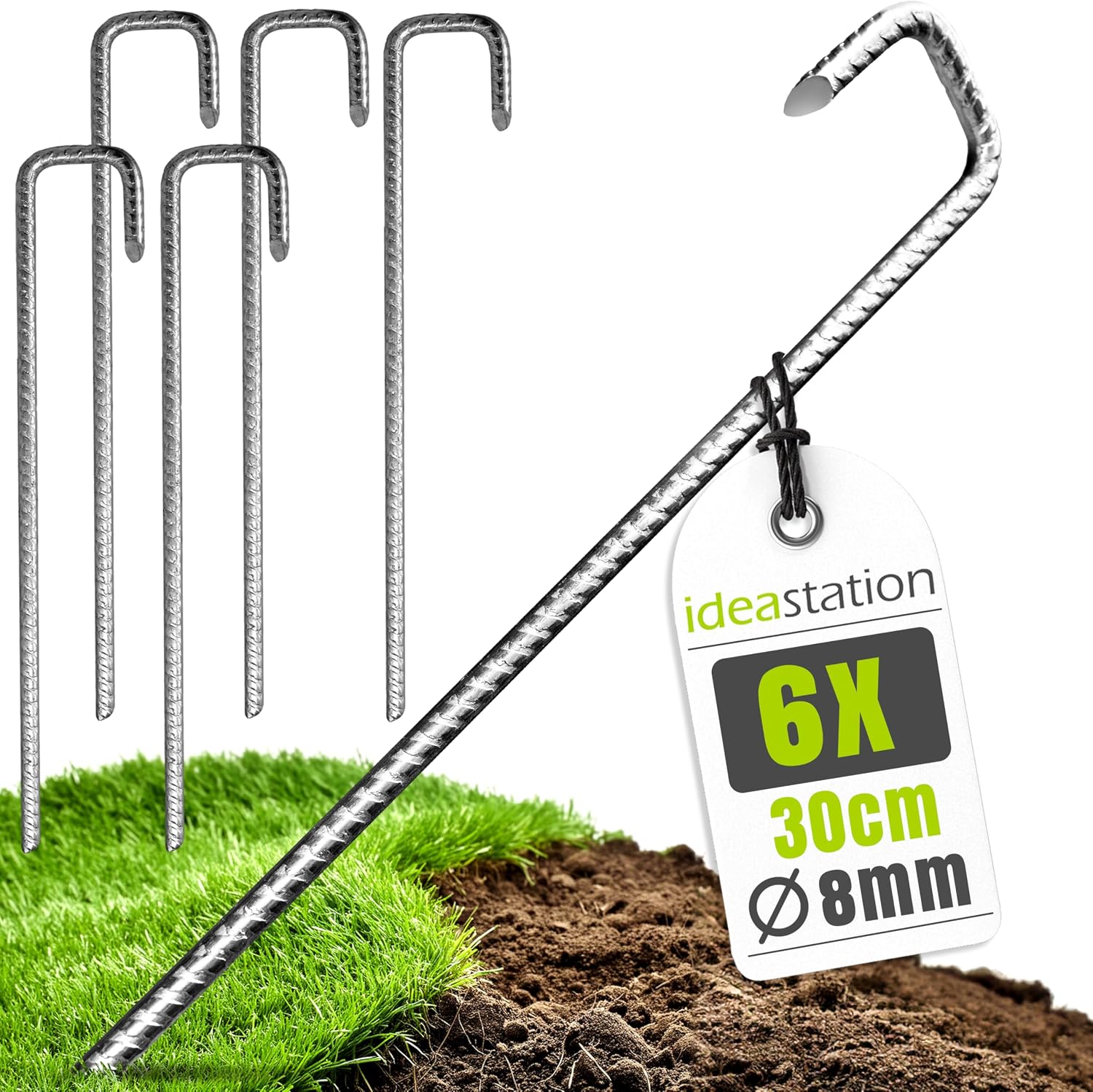
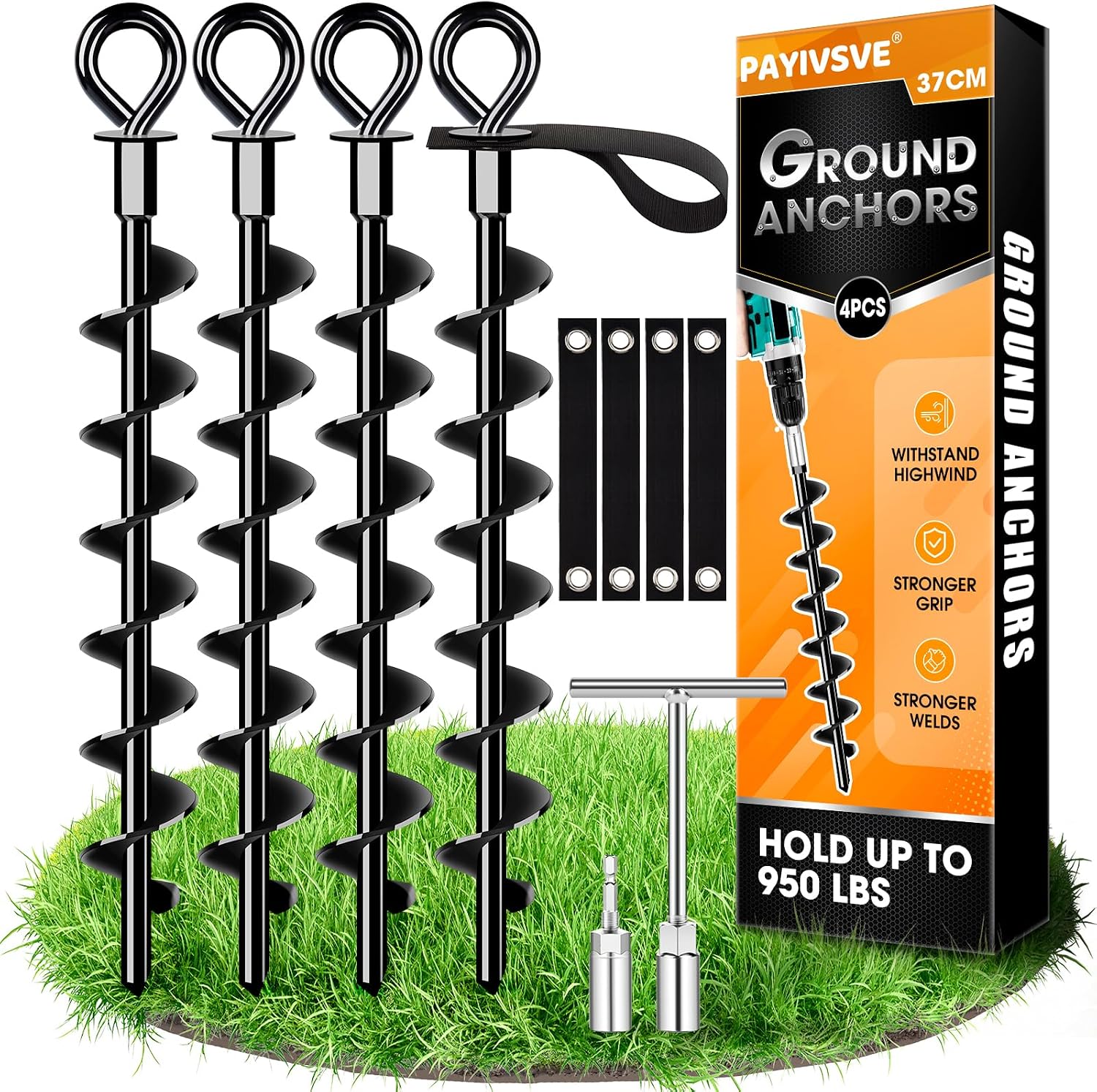
A peg is a real all-rounder because it helps wherever something outdoors needs to stay securely on the ground. Classic camping is all about peace and quiet at night: if guy ropes give way, the tent becomes unstable, flutters or can even come loose in strong winds. If you're out and about more often, you'll want to use suitable tent pegs instead of the often very short standard pegs. For larger tents, family tents or party tents, a longer and more resilient solution is particularly useful, for example over Ground pegs for tents or depending on the setup, different ones Tent pegs. The topic also quickly becomes relevant in the garden: pavilions are often only set up “temporarily”, but even a strong gust is enough to lift the frame or move it to the side. Anchoring that transfers tensile forces cleanly into the ground and keeps the bracing permanently taut is worthwhile. There are also applications where safety goes beyond mere convenience, such as children's play equipment. If a swing or small piece of wooden play equipment wobbles or moves, this has a direct impact on its use. Stable fixation is therefore a useful part of a secure structure. Depending on the type of soil and load, longer pegs or suitable ground anchors are recommended, especially if you need more “grip” in the ground. If you also value easy hooking and quick release of the lines, a model with an eyelet is practical because you can guide loops, carabiners or tension lines cleanly, for example over Ground spike with eyelet. The result is always similar in practice: less rework, more stability and a significantly safer feeling in changing conditions.
Choose the right size and material: length, base, load
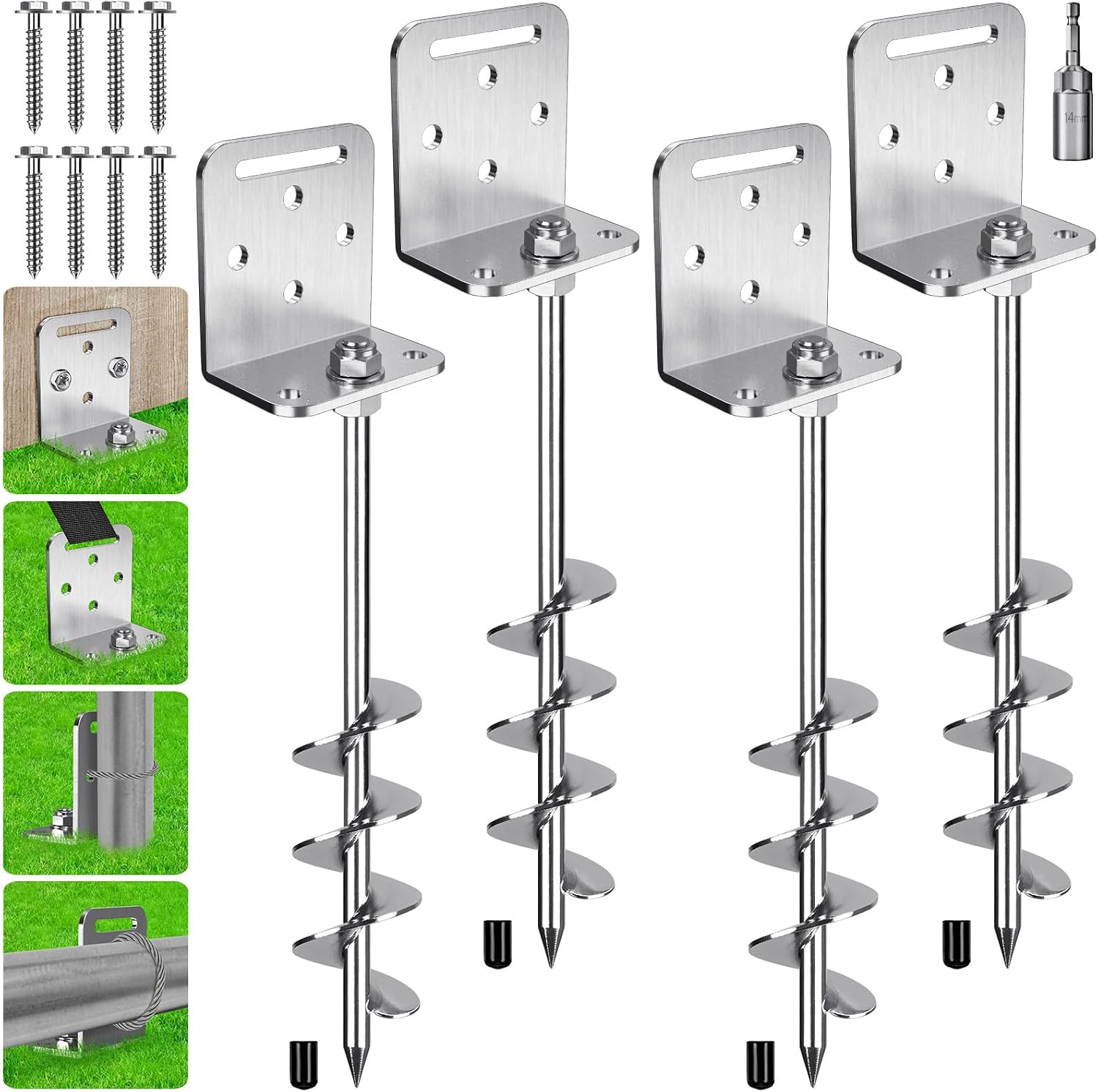
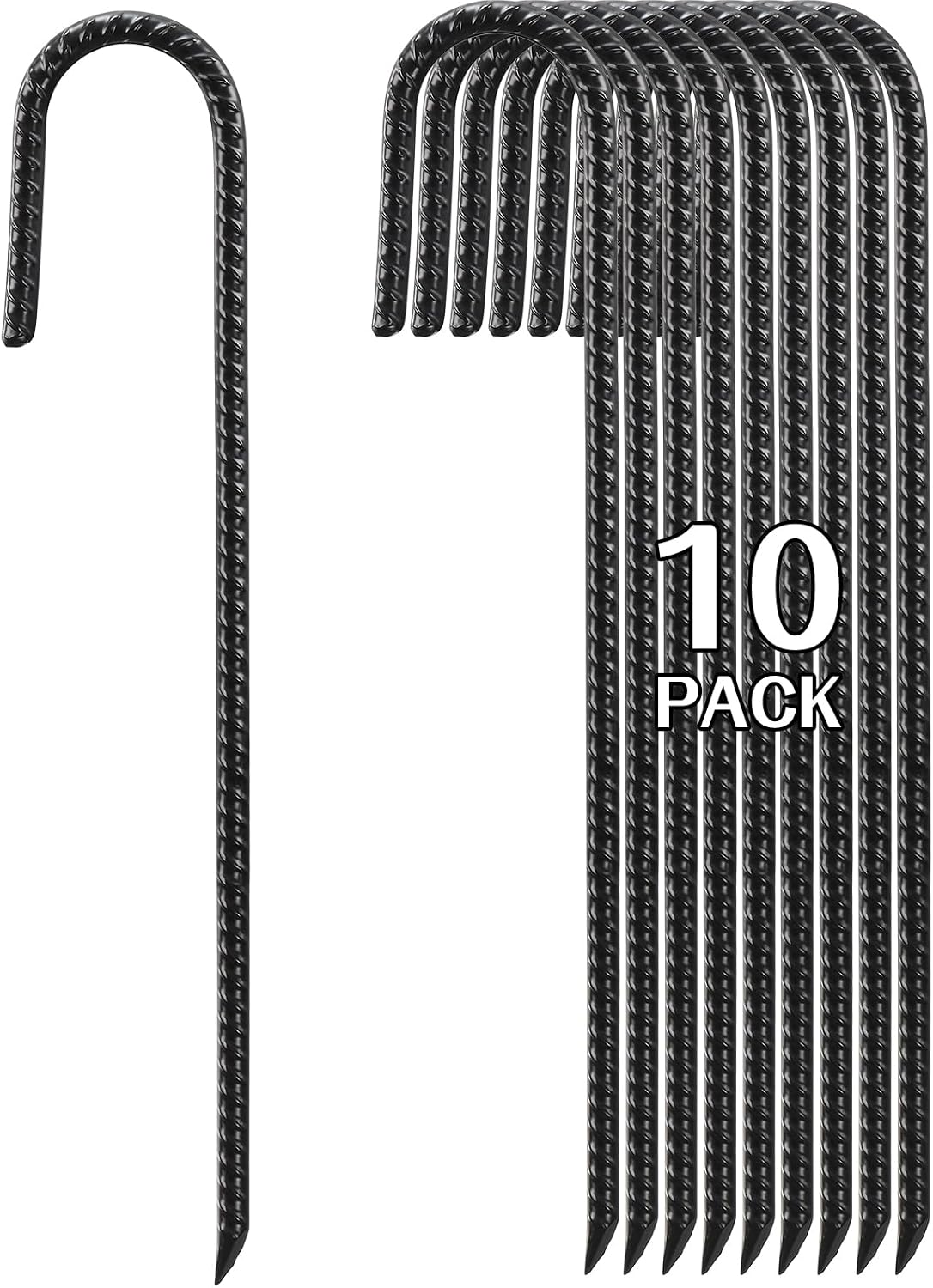
The most important purchasing decision is almost always the right combination of length, material and surface. On soft or sandy ground, a short, thin peg often does not provide enough grip because it loosens more quickly when pulled. On very firm, stony or hard floors, however, not only stability is required, but also a shape that can be reliably hammered in without immediately bending. For many typical outdoor situations, a medium length is a good basis, while longer versions make sense for heavier loads, large structures or safety requirements. Categories such as are suitable as orientation Soil nail 50 cm for robust setups or Soil nail 100 cm for particularly high holding requirements and deeper anchoring. When it comes to materials, steel is usually the first choice when it comes to maximum resilience and reusability. Models made of steel are more forgiving of high tensile forces and are often the more economical decision in the long term if used frequently, for example Steel ground spike. Plastic variants, on the other hand, can make sense if you want a very light setup, want to protect sensitive surfaces or are looking for an addition for certain purposes; You can find corresponding variants here Plastic ground pegs. The “grip” in the ground also plays a role: Some shapes hold better than a pure nail due to their geometry and resistance. If you need more extensive securing or additional stability, ground anchors are an alternative, especially on floors that quickly give way due to tensile forces, for example over Ground anchors. This creates a simple logic: the softer the ground and the greater the load, the more length and a resilient material are worth it.
Assembly tips: driving in, angles, safety and support
Even the best peg is of little use if it is placed poorly. In practice, a clean driving angle and appropriate positioning ensure that guy ropes do not become loose and the nail does not “wander” under tension. A tried and tested principle: Do not place the peg vertically downwards, but rather at a slight angle away from the tent or structure, so that the direction of pull “pulls” the anchor into the ground rather than levering it out. It is also important that the line tightens the construction without overloading the material: too little tension leads to fluttering and jerky load peaks in wind, too much tension can put strain on seams, eyelets or rods. A suitable hammer helps with hammering; It is part of the standard equipment on campsites anyway. If the ground is very hard, it can help to check the area minimally beforehand and, if necessary, move it slightly instead of pushing through with force - straight stones are a classic reason why pegs go crooked or are difficult to set. If the ground is very dry, slightly moistening it can make the impact easier without ultimately making the hold worse. For particularly secure securing, it is also worth combining the appropriate peg length for the tent size and using several attachment points for large structures. Anyone who frequently varies their setup benefits from clearly sorted sizes, for example Tent pegs 30 cm for compact applications or more stable versions when there is more tension on the guying. Additionally, make sure that the line is clean (no rubbing, no sharp edges) and that the pegs are checked again after setting up - especially after the first gusts of wind. This will prevent a small problem from becoming a big one at night.
Buying advice: Practical features & useful sets
When buying, it is worth paying attention not only to length and material but also to practical details that make assembly noticeably easier. An eyelet or easy-grip attachment on the head makes it easier to hook, release or tighten lines - especially if you don't want to fumble for long in the cold or rain. Equally helpful is a design that doesn't warp with frequent use and is easy to grip when pulled out. If you travel regularly, a small range of several types can make more sense than “one peg for everything”: shorter versions are often sufficient for a light two-person tent, while you should plan more in reserve for a pavilion, tarp or party tent. The surface also plays a role: on normal ground, classic tent pegs are often sufficient, but on very solid ground you benefit from particularly robust solutions. If you rely on steel here, you can specifically look for stable versions, such as over Steel tent pegs, because they are less prone to bending under high loads. It's also worth taking a look at how "storm-proof" your setup should be: If you often camp in windy places, stand by the water or put up large tarpaulins, stronger anchoring is not a luxury, but rather a way to avoid stress. Another point is quantity: for a large tent or pavilion, you not only need longer nails, but also enough nails to secure all guy points sensibly. Also plan small reserves in case a nail hits stone or gets lost. And last but not least: A good fastening system always includes suitable lines, tensioning devices and an assembly routine that you can quickly repeat. The result is a setup that not only “holds up”, but is really practical in everyday life outside: quickly set up, reliably secured, easily readjusted and robust enough to withstand many tours and seasons.
FAQ
1) What length makes sense for a normal tent?
For many standard tents, a medium length is sufficient as long as the ground is not extremely soft. If you often camp in windy conditions or the ground is sandy/loose, longer pegs or sturdier tent pegs are a better choice.
2) When should I choose steel instead of plastic?
Steel is recommended if you expect high tensile forces, are often on harder surfaces or want maximum durability. Plastic can be useful as a light addition, depending on the intended use and the surface.
3) What is the best way to hammer in pegs?
Drive the peg in at a slight angle away from the tent or structure so that the direction of pull pulls it into the ground. Use a suitable hammer and move the spot when you hit stone.
4) What is the use of a ground nail with an eyelet?
An eyelet makes it easier to attach guy lines, carabiners or loops. This makes setting up and tightening faster and reduces fiddling, especially in bad weather.
5) Ground anchor or classic ground nail – which is better?
That depends on the soil and the load. A classic ground nail is versatile and quick to set, while a ground anchor, depending on the design, can offer additional stability, especially if the ground quickly gives way under tension.